The Art and Science of Smile Design: How Esthetic Dentistry Transforms Confidence
A smile is more than aligned teeth. It is expression, personality, warmth, and identity. It influences first impressions, social interactions, and even professional confidence. Yet many people live with smiles they hesitate to show — due to discoloration, uneven teeth, gaps, or structural damage.
Esthetic dentistry is not about artificial perfection. It is about harmony.
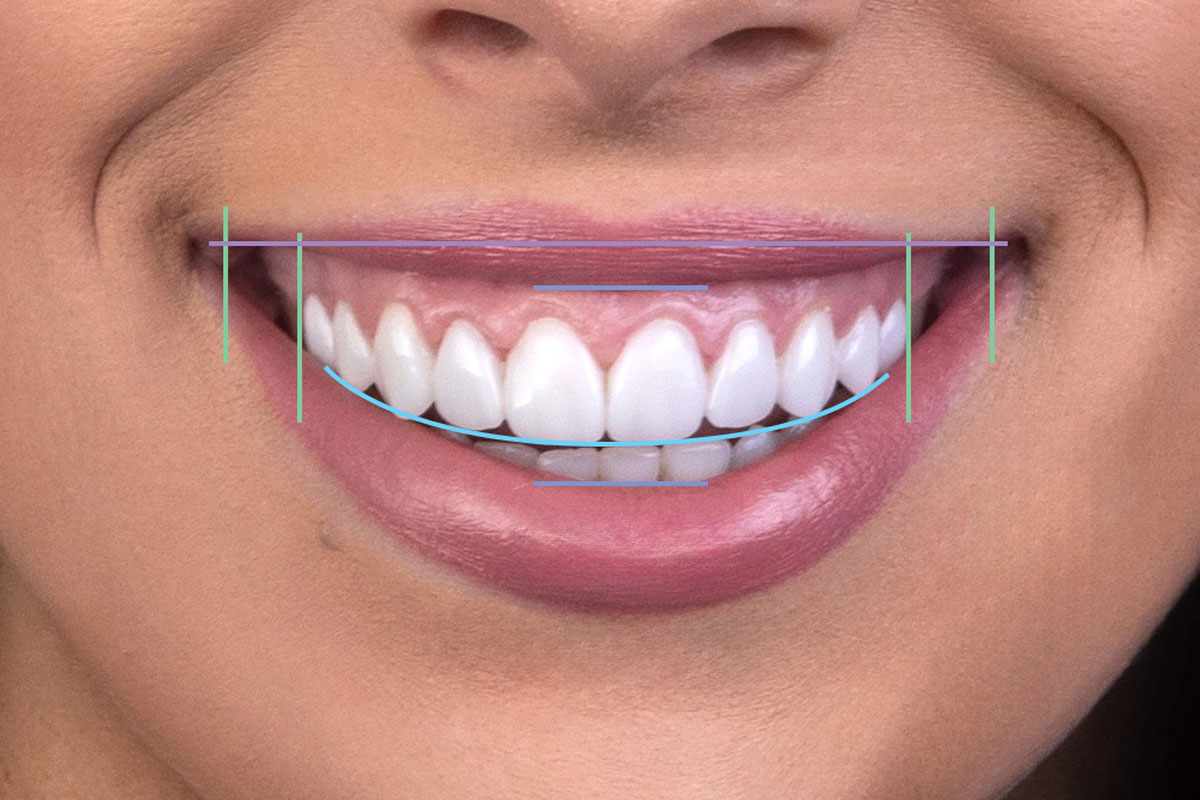
Smile design combines clinical precision with artistic vision, carefully balancing tooth structure, facial proportions, gum symmetry, and natural expression. At Dr. Y's Dental Lounge, esthetic dentistry is approached as both a science and an art — where every smile is customized, not manufactured.
When performed thoughtfully, smile design does not change who you are. It enhances what already exists.
Why Smile Aesthetics Influence Self-Perception
Human psychology is deeply connected to appearance. Studies consistently show that individuals who feel confident about their smile tend to:
- Speak more freely
- Smile more naturally
- Engage socially with ease
- Project greater confidence
Small dental imperfections may seem minor clinically, but emotionally they can create hesitation.
Common aesthetic concerns include:
- Stained or discolored teeth
- Chipped or worn edges
- Gaps between teeth
- Uneven gum lines
- Mild misalignment
- Old, visible restorations
While these concerns may not always cause pain, they affect self-assurance.
Esthetic dentistry addresses both form and emotion — restoring balance externally and confidence internally.
Understanding the Concept of Smile Design
Smile design is a systematic evaluation of:
- Tooth size and proportion
- Tooth color and translucency
- Gum symmetry
- Smile line curvature
- Facial symmetry
- Lip movement during speech and laughter
No two smiles are identical. A design that suits one individual may look unnatural on another. The goal is not uniformity — it is harmony.
Modern esthetic dentistry uses digital planning tools to visualize outcomes before treatment begins. This allows precise planning and predictable results.
Smile design is not a single procedure. It is a personalized treatment plan that may involve multiple minimally invasive interventions.
The Balance Between Aesthetics and Function
Esthetic treatments are planned carefully to ensure:
- Bite alignment remains stable
- Jaw movement is comfortable
- Teeth withstand chewing forces
- Long-term durability is maintained
Ignoring functional aspects in pursuit of appearance can lead to complications such as fractures, sensitivity, or bite discomfort.
At its best, esthetic dentistry strengthens teeth while enhancing their appearance.
Common Treatments Used in Smile Design
Depending on individual needs, smile enhancement may include:
- Porcelain or composite veneers to improve shape and color
- Tooth contouring for minor corrections
- Professional whitening for brightness
- Esthetic crowns for structurally compromised teeth
- Gum contouring to improve symmetry
- Alignment correction using clear aligners
Each treatment is selected conservatively, preserving as much natural tooth structure as possible.
Minimal intervention philosophy ensures longevity.
The Psychological Shift After Smile Enhancement
Patients often report noticeable changes after smile correction:
- Increased confidence in photographs
- More natural laughter
- Improved communication in professional settings
- Reduced self-consciousness
The transformation is often subtle — yet powerful.
Smile design does not create a new identity; it removes barriers that prevent authentic expression.
When Is Smile Design Recommended?
Smile enhancement may be considered when:
- Teeth appear uneven or worn
- Discoloration does not respond to whitening
- Gums appear excessive or asymmetrical
- There are minor gaps or spacing
- Previous restorations are visible
A detailed evaluation determines whether cosmetic correction alone is sufficient or whether restorative support is required.
Longevity and Maintenance of Esthetic Treatments
The durability of smile design depends on:
- Quality of materials used
- Precision of placement
- Bite alignment
- Oral hygiene practices
- Regular dental follow-ups
Well-executed esthetic restorations can last many years when maintained properly.
Preventive care remains essential even after cosmetic correction.
Conclusion : Confidence Rooted in Precision
Smile design is not about chasing trends or unrealistic ideals. It is about thoughtful enhancement rooted in clinical precision.
When science meets artistry, the result is a smile that looks natural, feels comfortable, and functions harmoniously.
At Dr. Y's Dental Lounge, esthetic dentistry is guided by conservative planning, attention to facial balance, and a deep understanding of dental anatomy. Every smile transformation begins with listening — understanding what the patient desires — and then designing a solution that aligns aesthetics with biology.
A confident smile is not an accessory. It is an extension of well-being.
If you have ever hesitated to smile fully, a personalized consultation can help explore subtle, natural solutions designed specifically for you.