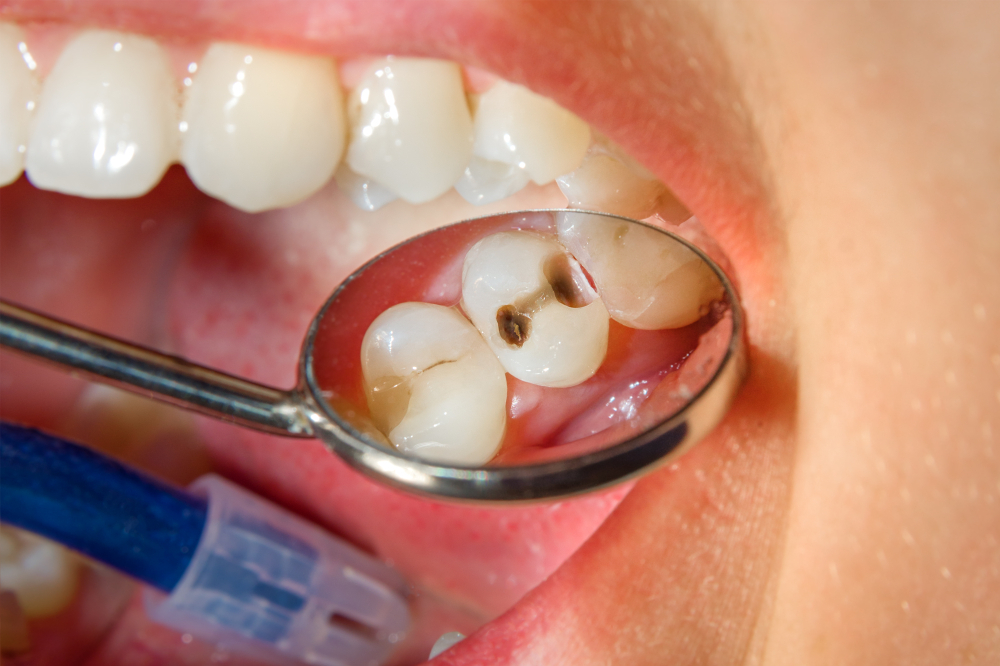
When Tooth Pain Speaks: Recognizing the Early Signs That You May Need Root Canal Treatment
Pain is rarely sudden in dentistry. It builds quietly — beginning as mild sensitivity, occasional discomfort, or subtle changes that are easy to ignore. Many patients wait until the pain becomes unbearable before seeking help, assuming the discomfort will resolve on its own.
But dental infections do not disappear without intervention.
Root canal treatment is often viewed as a last resort. In reality, it is a timely solution designed to stop infection before it spreads. Recognizing early warning signs allows treatment to remain simple, predictable, and tooth-saving.
At Dr. Y's Dental Lounge, early diagnosis is considered the most important step in preserving natural teeth. The sooner infection is identified, the higher the success rate of treatment and the lower the risk of complications.
Understanding How Infection Progresses Inside a Tooth
Inside every tooth lies pulp tissue — a soft inner core containing nerves and blood vessels. When bacteria enter this chamber through decay, cracks, trauma, or deep fillings, inflammation begins.
This progression follows a biological pattern:
- Initial irritation
- Inflammation of pulp tissue
- Infection within root canals
- Spread to surrounding bone
In the early stage, symptoms may be subtle. As infection advances, discomfort intensifies. Recognizing the warning signs before severe damage occurs is critical.
Persistent Sensitivity to Hot or Cold
Occasional sensitivity is common. However, prolonged sensitivity that lingers for more than 20–30 seconds after exposure may indicate pulp inflammation.
This type of sensitivity often:
- Feels sharp or deep
- Does not resolve quickly
- Gradually increases over time
Lingering thermal sensitivity is frequently one of the earliest indicators of pulp damage.
Pain While Chewing or Biting
Discomfort during chewing may suggest infection extending toward the root tip.
Patients may experience:
- Sharp pain when applying pressure
- Relief when pressure is released
- Tenderness localized to one tooth
This symptom often indicates inflammation around the supporting bone structure.
Spontaneous or Throbbing Pain
Pain that occurs without stimulation is a stronger indication of internal infection.
Spontaneous pain may:
- Worsen at night
- Radiate to surrounding areas
This stage suggests that inflammation has progressed deeper within the pulp tissue.
Swelling or Tenderness in the Gums
Infection may extend beyond the tooth into surrounding tissues, leading to:
- Localized gum swelling
- Tenderness near a specific tooth
- Formation of a small pimple-like bump (sinus tract)
This bump may release pus intermittently — temporarily reducing pressure but not eliminating infection.
Tooth Discoloration
When pulp tissue becomes necrotic (non-vital), the tooth may gradually darken.
Discoloration often appears as:
- Grayish tone
- Dull yellow or brown shade
- Loss of natural translucency
This change indicates internal tissue breakdown and requires evaluation.
Conclusion: Listening to Early Signals
Teeth rarely fail without warning. The body provides signals — sensitivity, pressure discomfort, swelling, discoloration — long before severe pain develops.
Understanding these signs empowers patients to act early rather than react late.
At Dr. Y's Dental Lounge, careful evaluation and conservative endodontic care are central to preserving natural teeth. Recognizing early symptoms allows treatment to remain straightforward, comfortable, and predictable.
Tooth pain should never be dismissed as temporary. When addressed promptly, it becomes an opportunity to protect — not lose — your natural smile.